


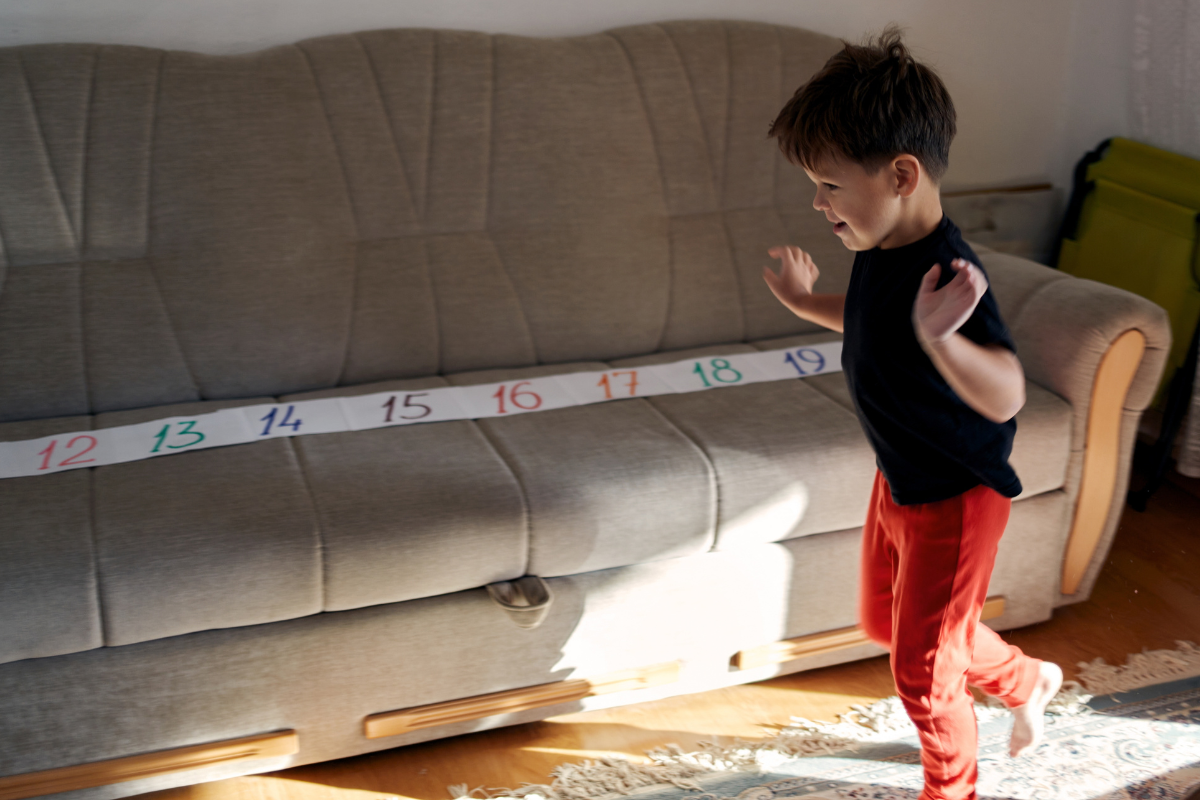
You catch your child flapping their hands for the first time and wonder, Is this normal? Should I be worried? Hand flapping autism is a common form of stimming in autism spectrum disorder, and on its own, it is not inherently harmful.
In this article, you’ll learn why it happens, when it may point to autism, and how to respond in a calm, helpful way.
We’ll cover causes, symptoms, management strategies, and support options so you can feel more confident with guidance from Aviation ABA. Keep reading to understand what this behavior may really mean.
What is Hand Flapping and Why Does it Occur in Autism?
Hand flapping is a repetitive movement where a person quickly moves their hands or fingers back and forth. In autism, it is often a form of stimming, which means a self-stimulatory behavior that helps with regulation.
A child may flap their hands when they feel excited, overwhelmed, happy, or stressed. It can help them feel calmer, show big emotion, or get sensory input that feels good and organizing. This behavior is natural and useful. It is not pointless chaos with fingers.
Understanding comprehensive ABA therapy services can help parents recognize that hand flapping serves important regulatory functions. Neurotypical children can flap their hands too, usually when they are very excited, but in autistic children it may happen more often, last longer, or appear in more situations.
This self-stimulatory behavior often represents the body’s attempt to process overwhelming sensory information or communicate emotional states.
The Sensory Science Behind Hand Flapping
The sensory side is important. The proprioceptive system helps the body know where it is in space, even without looking. Repetitive movement can give the brain strong feedback, and that feedback may help an autistic person feel more steady and in control. Many autistic people have sensory processing differences, so stimming can meet a real need, not just be a habit.
Research shows stimming can support emotion regulation, focus, and coping. Trying to stop it all the time can make things worse. The hands may stop moving, but the stress does not magically pack a bag and leave. For families seeking support with sensory processing challenges, ABA therapy in Salt Lake City can provide targeted interventions that respect the child’s sensory needs while building coping strategies.
Is Hand Flapping Always a Sign of Autism?
Not always. Hand flapping by itself does not mean a child has autism. Many toddlers flap their hands when they feel excited, frustrated, or overstimulated, and some outgrow it as their communication skills develop. The behavior becomes more important to look at when it happens often, seems intense, lasts beyond the toddler years, or appears along with other developmental differences.
Children who engage in stimming behaviors without autism typically show more situational hand flapping that decreases as language and emotional regulation skills develop. However, when hand flapping persists alongside other autism characteristics, it may indicate the need for professional evaluation and support.
When Hand Flapping May Indicate Autism Spectrum Disorder
In autism, hand flapping is more likely to happen frequently, feel stronger, last longer, and show up in more settings. It may also appear alongside speech delays, social differences, sensory sensitivities, or repetitive play. That is why hand flapping alone is not a diagnosis. It is one clue, not the whole picture.
Understanding the various types of autism spectrum disorder helps parents recognize that hand flapping may present differently across the spectrum. The American Academy of Pediatrics recommends autism screening at 18 and 24 months, along with regular developmental surveillance. Early identification allows for timely intervention and better outcomes.
Red Flag Signs: When to Seek an Evaluation
Ask for an evaluation if hand flapping shows up with other signs, especially limited or no eye contact, no spoken words by age 2, not responding to their name, low interest in other people, or repetitive play such as lining up objects or repeating words and phrases over and over. Look at the whole child, not one behavior in a glass box.
A child who flaps during excitement but is otherwise connecting, communicating, and meeting milestones may be very different from a child whose hand flapping appears with delays or clear social differences.
Some individuals may also display high functioning autism symptoms where hand flapping occurs alongside more subtle developmental differences. Early evaluation does not mean something is wrong. It helps you understand your child better and get support sooner if support is needed.
Common Triggers and Situations for Hand Flapping
Hand flapping often has a trigger. It is usually the body’s way of handling a big feeling or a big sensory moment. Common triggers include:
- Excitement or joy, like seeing a favorite toy or person
- Anxiety, frustration, or feeling overwhelmed
- Loud sounds, bright lights, scratchy textures, or crowded places
- Changes in routine or hard transitions
- Trouble communicating needs, feelings, or discomfort
Parents may notice it during birthday parties, at the grocery store, when leaving the playground, or when a child cannot explain what is wrong. The pattern matters. A child might flap when they are happy and energized, or when they are stressed and trying to calm their body down. Same movement, different job. The hands are doing what words or coping skills cannot do yet.
There is also a difference between positive stimming and regulatory stimming. Positive stimming happens when a child feels excited or delighted. Think bubbles, music, snacks, or a beloved cartoon character doing something ridiculous.
Regulatory stimming happens when a child is trying to handle stress, sensory overload, or confusion. That might happen in a noisy classroom, under harsh lights, or during a sudden change in plans. Watching what happens right before the hand flapping starts can help parents understand what their child may be reacting to, and that makes support a lot more useful.
Hand Flapping vs. Other Autism Symptoms and Signs
Hand flapping is one kind of stimming, not the whole autism picture. Other stimming behaviors can include rocking, spinning, pacing, finger flicking, or verbal stimming like repeating sounds, words, or phrases. Some children also display autism hand posturing, where the hands are held in fixed, rigid positions that serve a sensory or emotional regulation purpose. What matters is the bigger pattern. Alongside hand flapping, some autistic children may also show social communication differences, restricted interests, sensory sensitivities, delayed speech, limited eye contact, or less interest in back-and-forth play.
Hand flapping alone does not mean autism. It becomes more meaningful when it shows up with other signs and happens often, very intensely, or in ways that interfere with daily life. It is more concerning if it leads to self-injury or if the child seems stuck in it and unable to shift attention. Repetitive behaviors and sensory seeking patterns often require comprehensive assessment to determine appropriate interventions.
Age-Related Patterns: Hand Flapping from Toddlers to Adults
Age changes the look, but not always the need. In toddlers from about 12 to 36 months, hand flapping may show up during excitement, frustration, or sensory overload. In preschool and school-age children, stimming may still be obvious, or it may shift into rocking, fidgeting, tapping, or other repetitive movements that blend in more.
Teenagers and adults with autism may still stim, but social awareness can make them hide it, reduce it in public, or swap it for subtler behaviors. The need for regulation does not vanish in some magical puff of smoke just because a person gets older. It usually changes form. The body still wants help staying calm, focused, or organized. Self-regulation strategies and motor planning skills often develop over time with appropriate support and intervention.
Supporting Your Child: When and How to Respond
The goal is not to make hand flapping vanish like a magician’s rabbit. The goal is to understand what your child needs and support them in a way that helps. Intervention may be useful when the behavior creates a safety risk, causes major disruption, or makes it hard for your child to join important daily activities.
Parents can help by making the environment easier on the nervous system. That might mean lowering noise, dimming bright lights, keeping routines predictable, and watching for patterns that trigger stress. It also helps to teach when and where certain stimming behaviors work better, especially in public or structured settings, without treating the behavior like it is bad. For families interested in home-based support, autism therapy at home can provide personalized strategies in the child’s natural environment.
Redirection should be used carefully and only when it is truly needed, like when safety is involved or the behavior is so intense that your child cannot function. Even then, the better move is usually not “stop that,” but “here is another way.” Helpful alternatives may include fidget toys, movement breaks, squeezing a pillow, deep pressure, or other sensory outlets that meet the same need.
Parents and caregivers can also model calm responses, name feelings, and notice what happens before the behavior starts. Understanding how ABA therapy works can help families implement evidence-based strategies that build coping skills, communication, and flexibility while still respecting the child’s need to stim. The point is support, not erasing the child’s wiring like it is a typo.
Professional Support and Assessment Options
Seek a professional evaluation if hand flapping happens along with speech delays, limited eye contact, not responding to name, repetitive play, or other social and developmental differences. An autism assessment usually looks at the whole child, not one behavior floating around by itself like a confused balloon. It may include parent interviews, developmental history, observation, and tools that measure communication, behavior, play, and social skills.
Different professionals can help, including developmental pediatricians, psychologists, speech therapists, occupational therapists, and ABA providers. Early intervention matters because support works better when families do not have to spend months just guessing. For families in Utah seeking specialized care, ABA therapy in Provo can provide comprehensive assessment and treatment planning tailored to each child’s unique needs.
To get ready for a consultation, it helps to bring notes about what you have noticed, when behaviors happen, what triggers them, and any questions you want answered. Useful things to ask about include:
- What the evaluation will include
- Which services may help now
- Whether early intervention is available
- What insurance covers
- How long waitlists may be
Insurance coverage varies, so families should check whether autism evaluations, ABA therapy, speech therapy, and occupational therapy are included in their plan. Aviation ABA supports families through assessment, treatment planning, and ongoing care with a practical, respectful approach. The point is not to “fix” a child like they are a broken toaster. It is to understand their needs, build useful skills, and help the whole family move forward with less confusion and more support.
Moving Forward: Acceptance, Understanding, and Growth
Hand flapping can feel confusing at first, but it is often a natural form of stimming that helps autistic children regulate feelings, manage sensory input, or express excitement. The goal is not to stop it just because it looks unusual.
The goal is to understand what your child is communicating, support their development, and help them build self-awareness and self-advocacy over time. It also helps to teach family members, teachers, and others to respond with more acceptance and less judgment.
The path forward is simple. Meet your child where they are, support what they need, and keep learning as they grow. With the right tools and guidance, families can respond with more confidence and help their child thrive while embracing neurodiversity. Understanding hand flapping autism as a meaningful form of self-regulation rather than a problem to eliminate creates a foundation for positive support strategies. For personalized support and to learn more about getting started with evidence-based interventions, contact Aviation ABA to better understand your child’s behavior, explore next steps, and find strategies that fit your family.
